

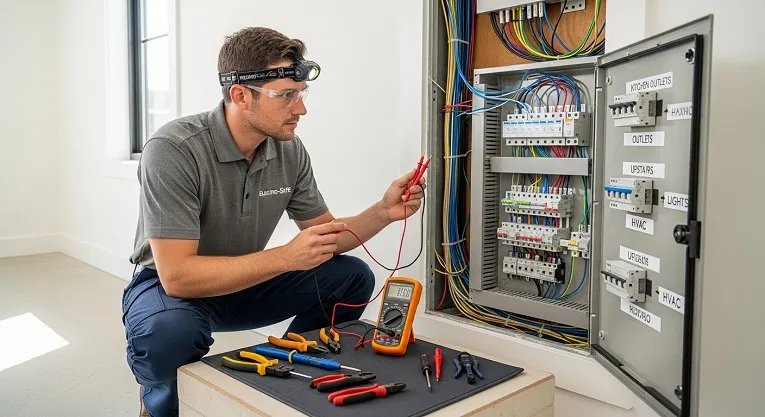
Electricity powers almost everything in our daily lives, yet it carries risks if not properly managed. To keep homes and workplaces safe, regular inspections of electrical systems are essential. One important check is called an Electrical Installation Condition Report (EICR). This document records the condition of a building’s electrical wiring and equipment, helping prevent electrical faults before they cause accidents.
This article will explore what an EICR is, why it matters, who should get one, and what the process involves.
What Is an EICR?
An Electrical Installation Condition Report (EICR) is a formal assessment conducted by an authorized electrician. It focuses on the fixed wiring and electrical components installed inside a building. Unlike tests on appliances like toasters or computers, the EICR looks at the wiring hidden behind walls, the fuse box, sockets, light fittings, and protective devices.
Its purpose is to evaluate whether the electrical installation is safe, free from defects, and compliant with applicable safety rules.
Why Are EICRs Important?
Electrical systems naturally degrade over time due to factors such as moisture, wear, or accidental damage. Without inspection, these issues might go unnoticed, increasing the chance of electrical fires or shocks.
Here’s why getting an EICR matters:
- Protect Lives and Property: Detect and address hazards before they lead to accidents.
- Meet Legal Standards: Many rental properties and workplaces must have valid EICRs to comply with safety laws.
- Insurance Compliance: Some insurance companies require an up-to-date EICR before providing or renewing coverage.
- Plan Repairs Wisely: The report helps identify areas needing maintenance, so you can schedule fixes without unexpected emergencies.
Who Should Arrange an EICR?
While anyone owning property can benefit from an EICR, certain groups especially need it:
- Landlords: In many countries, landlords must obtain an EICR every five years or when a new tenant moves in.
- Businesses: Workplaces are typically required to maintain safe electrical systems, making regular inspections vital.
- Homeowners: Although not legally required in all cases, having an EICR is a smart safety precaution.
- Property Buyers: Getting an EICR before buying can reveal hidden electrical problems that might affect safety or value.
What Does the Inspection Entail?
The EICR process involves two main steps:
- Visual Inspection: The electrician looks for obvious signs of damage, wear, or unsafe installations. This includes checking wiring condition, socket installations, fuse boxes, and earthing systems.
- Testing: Various electrical tests verify the wiring’s safety and functionality. For example, they check if safety devices like circuit breakers and RCDs (Residual Current Devices) work properly, and if wiring insulation is intact.
How Is the Report Presented?
After the inspection, the electrician provides a detailed report, which classifies any faults found using a specific code system:
- C1: Danger present – immediate action needed.
- C2: Potential danger – urgent repair required.
- C3: Improvement recommended – not urgent but advised.
- FI: Further investigation needed to clarify issues.
This classification helps prioritize which repairs to handle first for maximum safety.
How Often Should You Have an EICR?
The frequency depends on the property type and usage:
| Property Type | Recommended Frequency |
|---|---|
| Rental homes | Every 5 years or when tenants change |
| Private homes | Every 10 years (recommended) |
| Mobile homes/caravans | Every 3 years |
| Pools and special installations | Annually |
Regular EICRs help ensure that aging wiring does not become a safety hazard.
Frequently Asked Questions
Is an EICR the same as a PAT test?
No. PAT testing inspects portable electrical appliances. An EICR examines the fixed wiring system inside a building.
What happens if the report shows faults?
High-risk faults (C1 or C2) must be fixed immediately to maintain safety. Other issues (C3 or FI) should be addressed promptly, but may allow some time.
Who can perform an EICR?
Only qualified electricians who are properly certified can legally conduct an EICR.
Can I do an EICR myself?
No. Due to the technical expertise and safety risks involved, only professionals should perform these inspections.
Conclusion
Regular electrical inspections via an EICR are essential to keep buildings safe and compliant with regulations. They identify hidden issues in your electrical installations and recommend necessary repairs before problems escalate.
Whether you are a homeowner, landlord, or business owner, scheduling periodic EICRs is a proactive step toward electrical safety and peace of mind.